OBSERVE
See the combination before making artistic choices. Movement, expression, partnership and presentation form the starting point.

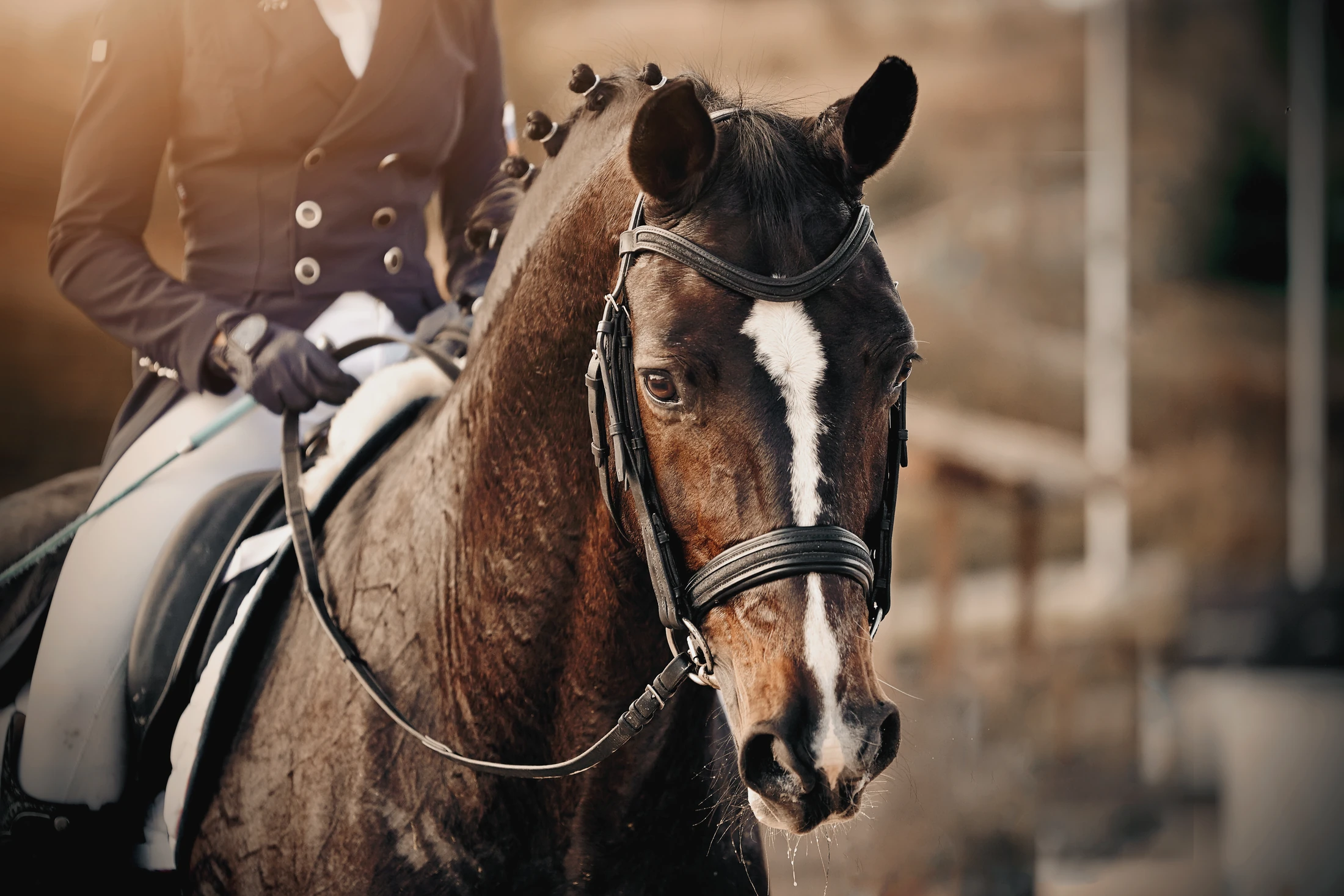
A vision for Artistic Performance in dressage. Every combination has its own movement, expression and character.
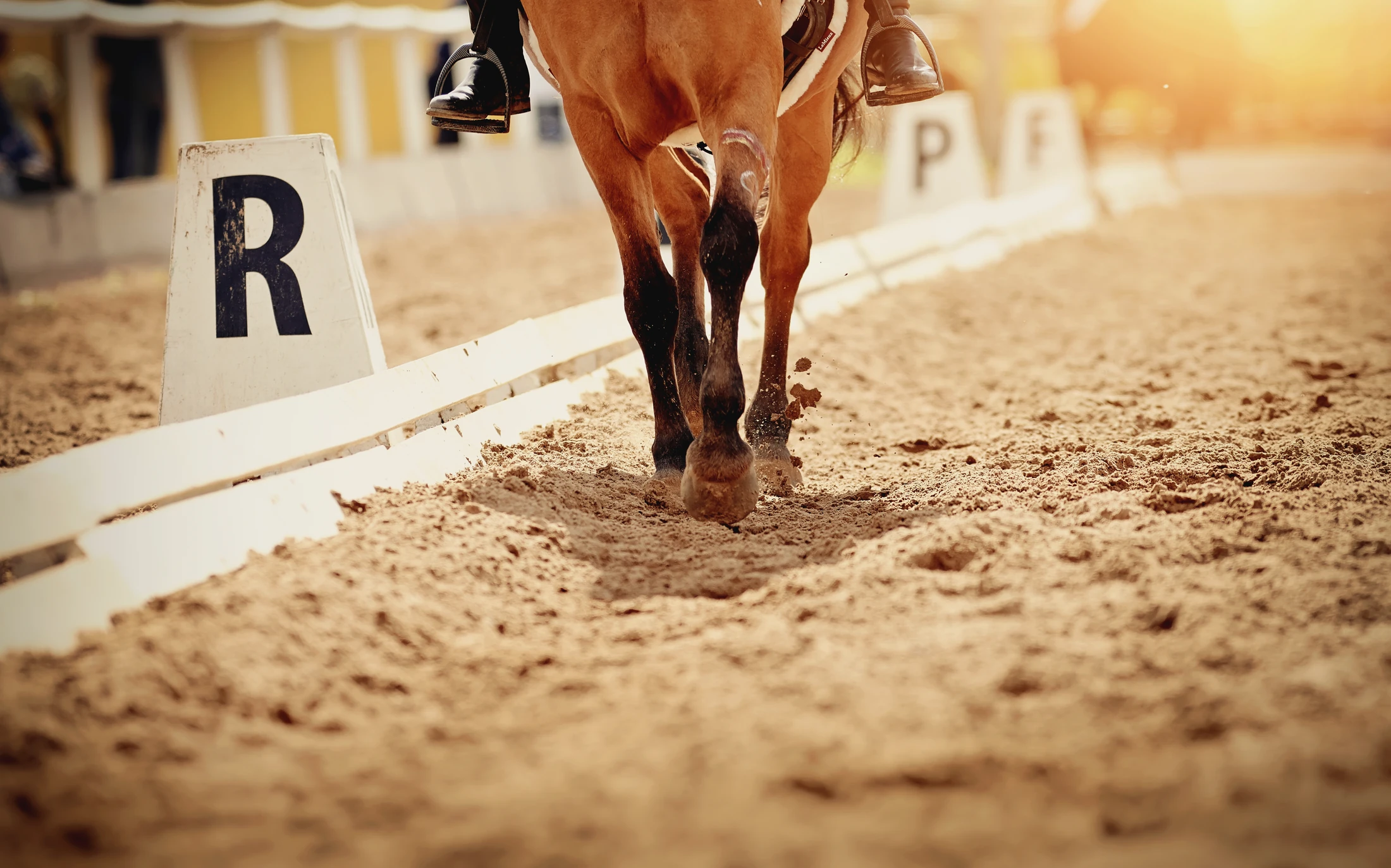
When I watch a combination, I do not simply see a horse and rider.
I see character, power, suppleness and harmony. I look at how the horse moves, how the rider presents and what the combination communicates as a whole.
First, the combination is analysed. Only when that picture becomes clear does the musical direction begin to emerge.
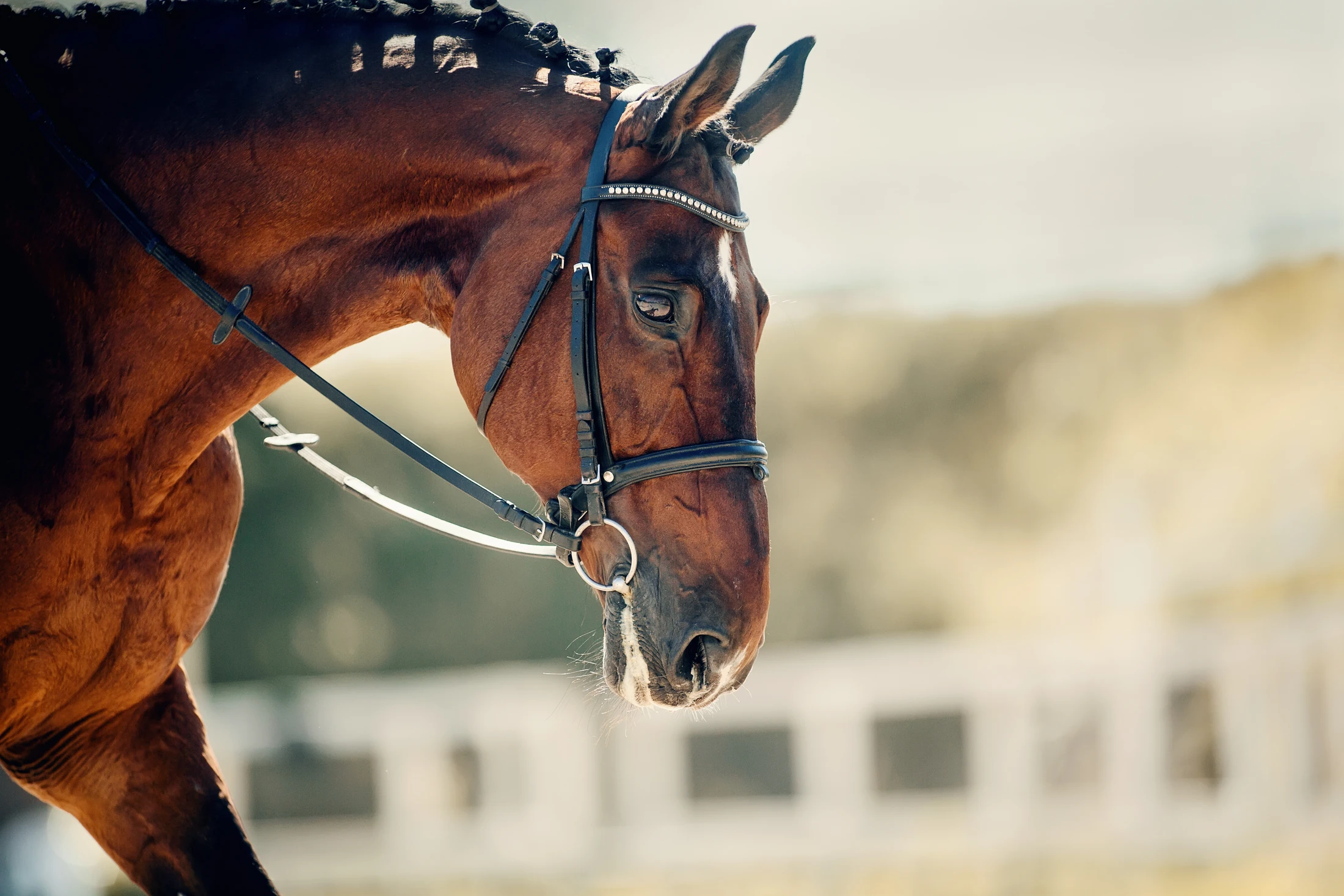
Everyone knows the effect music can have. The same principle applies to a freestyle.
The horse's movement does not change. The technical execution does not change. Yet the way a performance is experienced can change completely when music, choreography and movement reinforce one another.
Music is not decoration. It requires an understanding of rhythm, tension, harmony and timing. Choreography must feel logical. Music must support the movement rather than compete with it.
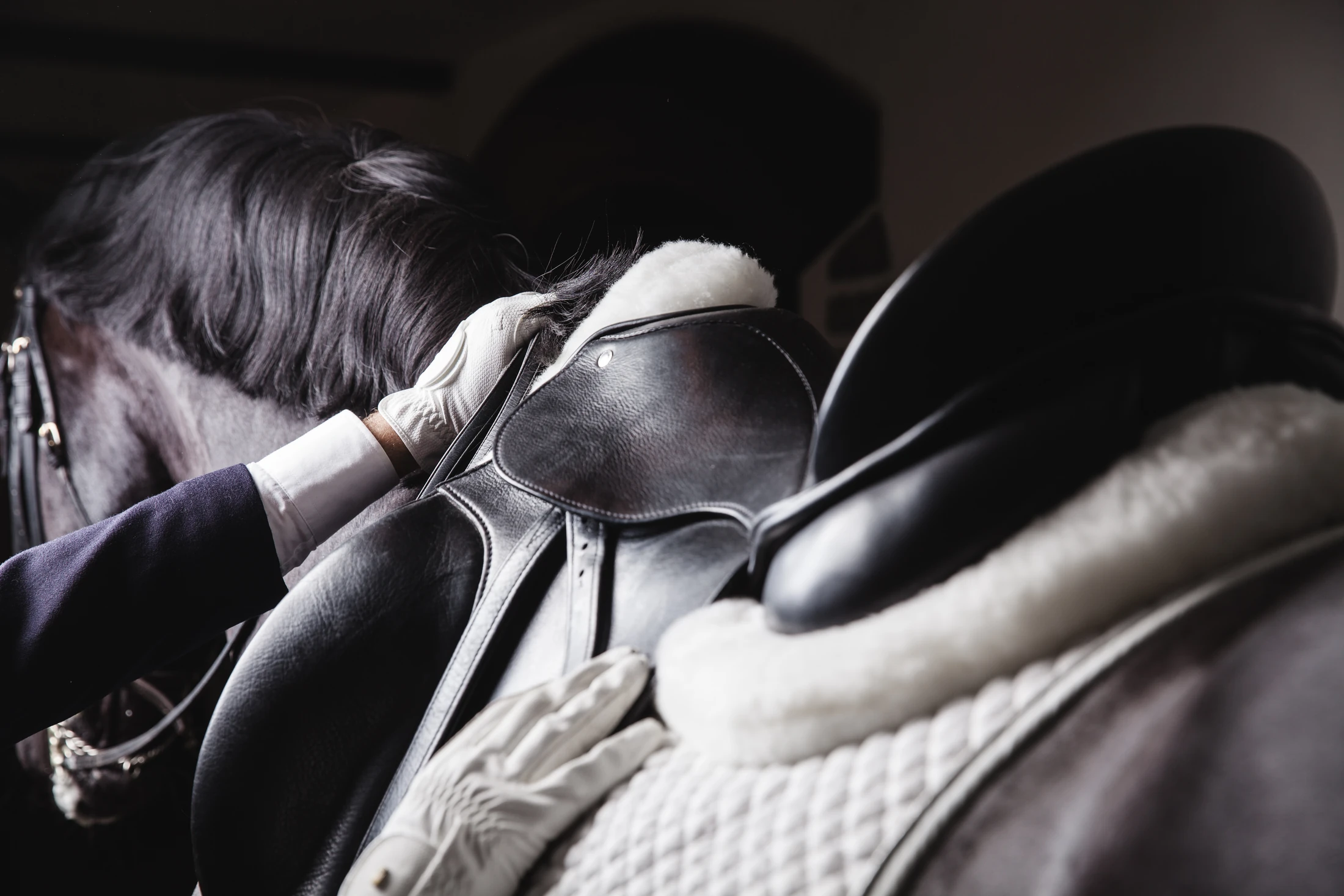
In dressage, technical development naturally comes first. Strength. Suppleness. Balance. Collection. Harmony.
Artistic Performance does not replace that work. It supports it.
Music, choreography and presentation can influence how the qualities of a combination are perceived and experienced. My role is to add the artistic layer and work alongside the people already guiding the combination.
The Movement to Music Method is not a fixed sequence of steps. It is a way of looking at the combination and making artistic decisions from what is actually there.
See the combination before making artistic choices. Movement, expression, partnership and presentation form the starting point.
Understand what makes the combination convincing. Which qualities are immediately visible? Which deserve greater emphasis?
Translate movement into an artistic direction. Music and choreography are developed to support the qualities identified in the analysis.
Keep returning to the combination. Competition and development create new insights.
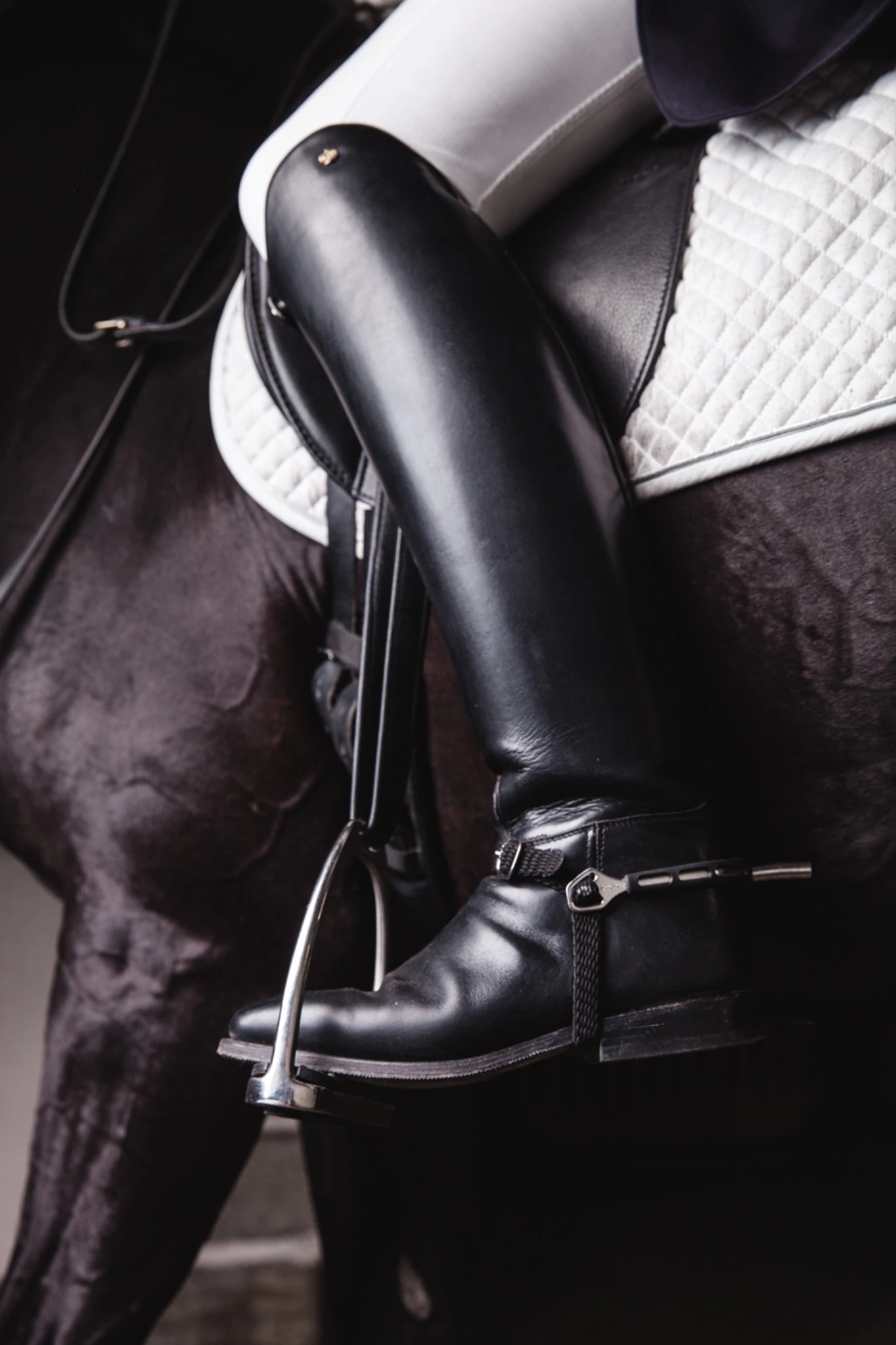
The Movement to Music Method developed where two worlds meet: music and dressage.
A musical background and years of experience in the saddle gradually became one way of looking at performance.
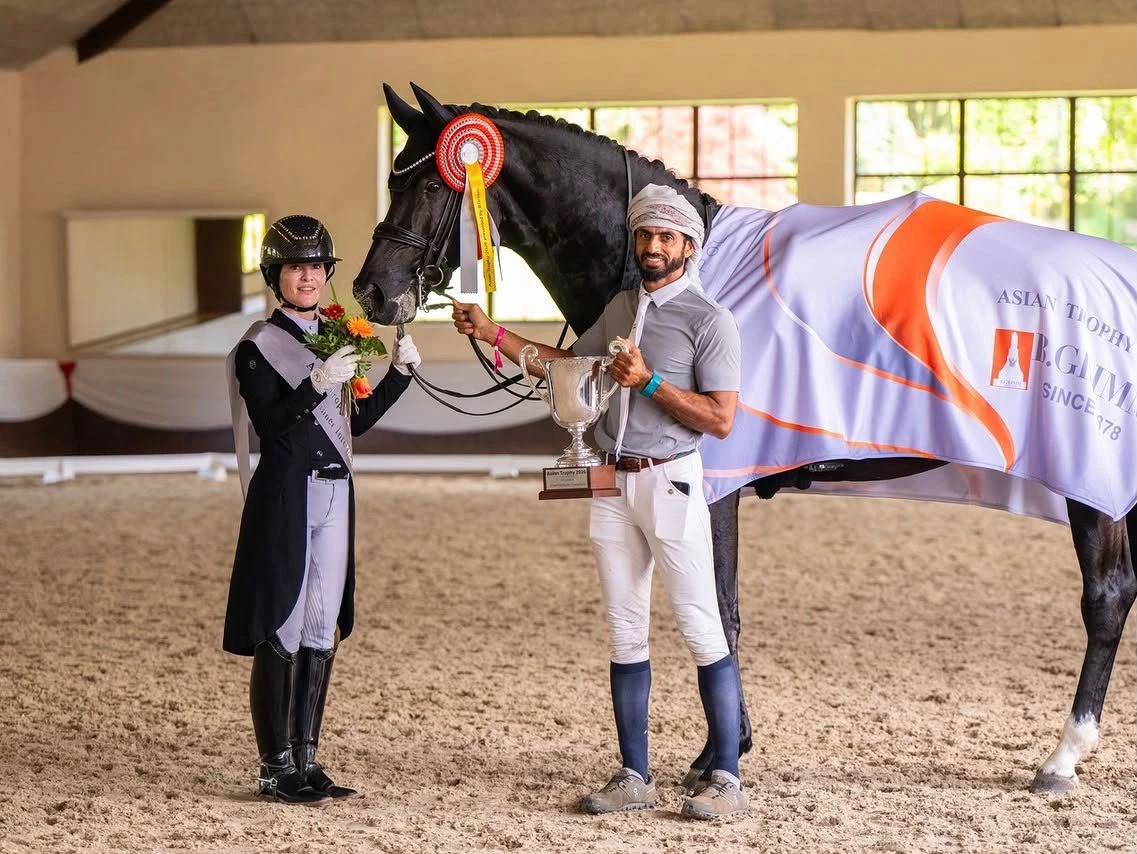
Horse and rider continue to develop. Experience grows. Confidence develops. Sporting ambitions evolve.
Competition creates new insights. What works exceptionally well becomes clearer; other elements may reveal opportunities for refinement.
The Movement to Music Method provides the foundation.
The Performance Programs take that philosophy into an ongoing artistic partnership — allowing the freestyle and Artistic Performance to remain aligned with the development, ambitions and competition season of horse and rider.